Heel spur: why thousands of people have exactly the same spur as you on their X-ray… without ever having had heel pain
And what this discovery changes for your heel pain
Published {published} · 4 minute read
"The spur is almost never the real culprit. It's the trace of the problem, not the problem. As long as you don't treat what pulls on the heel, the pain always comes back." — what a podiatrist told me, and what changed my life.
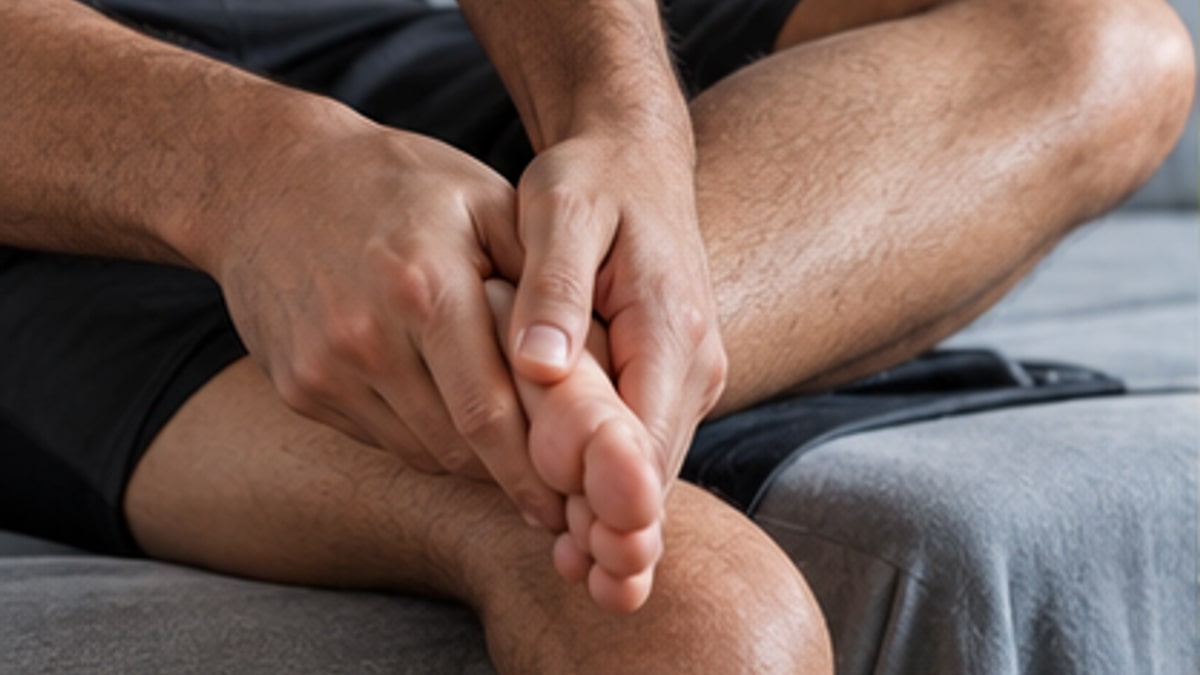
If you have a heel spur, you know the ritual.
The nail under the heel at the first steps of the morning. The hand on the wall down the corridor. The gel heel cups that promise, relieve for two weeks, then give up.
And somewhere at home, an X-ray with a small bony beak circled in marker — the official "proof" of your pain.
My name is Françoise, I'm 57, and for two years that X-ray was my sentence. Until the day a podiatrist showed me why it actually explained nothing at all.
The sentence that changed everything
I was at a second opinion, scared stiff — my doctor had just offered me a cortisone injection, and if that wasn't enough, we'd "talk about surgery".
The podiatrist looked at my X-ray, smiled gently, and said this: "Madam, thousands of people have a spur exactly like yours on their X-ray. And they have never had heel pain."
I didn't believe him. So he explained what nobody had explained in two years — and if you remember one thing from this article, let it be this.
The spur isn't the cause. It's the consequence.
Under your foot, a strong band of tissue links the heel to the toes. It supports your whole arch.
When the foot works well, this band works quietly. But after years of hard floors, rigid shoes and soft insoles, the foot's muscles fall asleep and the arch sags. The band is then under permanent tension — and it pulls on the heel at every step, thousands of times a day.
Traction after traction: micro-tears, inflammation… and over the years, the body builds that little bony beak exactly where the band pulls.
The spur is the trace of the problem. What hurts, what really hurts, is the traction and the inflammation around it — not the "beak" itself. That's why so many people live with a spur and no pain: with them, nothing is pulling.
And that is why everything you've tried has never held.
Why your solutions have all failed (it's not your fault)
Gel heel cups. They put a cushion under the nail. Pleasant for a week — but by cushioning the surface, they don't reduce the traction by a millimetre. Worse: a foot resting all day on something soft works even less, weakens even more… and the band pulls even harder. More soft, less work, more pull. The vicious circle of gel.
The cortisone injection. It puts out the fire for a few weeks. It doesn't touch what lit it. Most people I know are on their second or third.
Stretching. Useful — but ten minutes of stretching can't undo ten hours of a foot that does nothing in a shoe.
Rest. The pain fades, the foot falls asleep a little more, and the first day back is worse than before.
So why did nobody tell you?
Ask yourself: who would have any interest in telling you? Softness sells itself — it feels nice in the shop, it's cheap to make, and it brings you back for the next pair. Nobody makes money from a foot that works on its own.
The podiatrist told me the principle on a corner of the table: "Do you know the tennis ball under the foot? Do that at every step, and the band will finally get some rest."
The solution: make the tennis ball work at every step
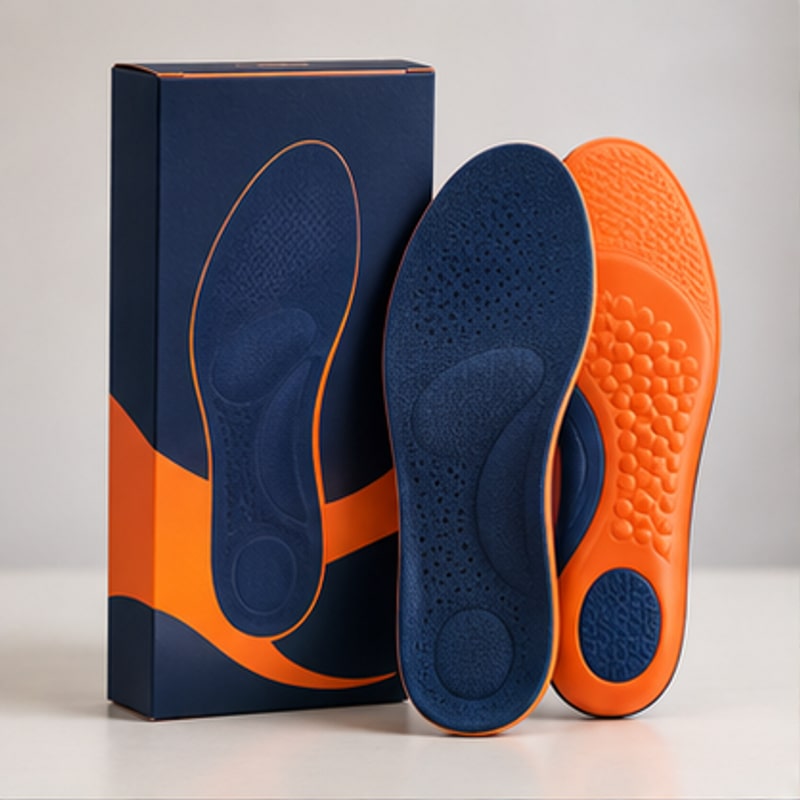
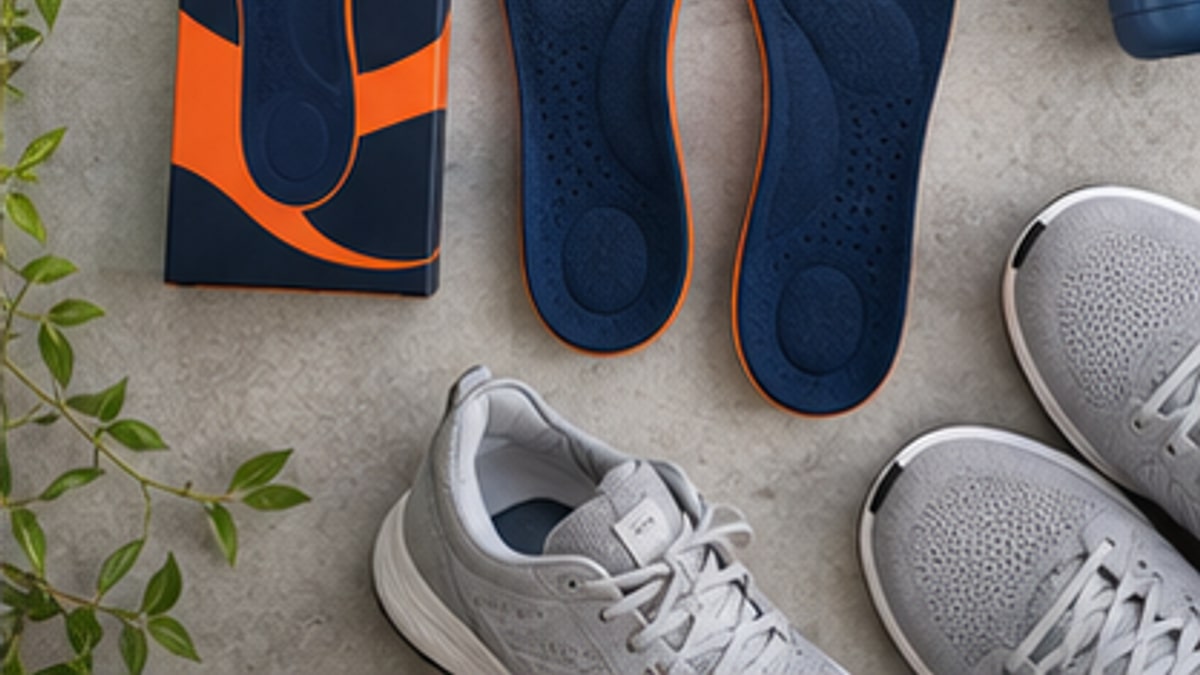
That is exactly the principle of the aura acupressure insoles — and why they do the opposite of everything you've tried.
Instead of a cushion, hundreds of small raised points that wake the foot's muscles at every step, the way the tennis ball does on the floor at night. The arch starts to carry itself again. The band pulls less. And the heel finally gets what it has been asking for for years: a break from the traction.
Nothing to do. You put them in your shoes, and your foot does the work — all day, without thinking about it.
What happened for me
Honestly: the first two days, the feel of the nubs surprised me. You feel them — that's the principle — and I wore them two hours at a time to begin with.
Around day ten, I noticed something I hadn't felt in two years: I got out of bed, walked to the kitchen… and only then remembered I was supposed to be limping.
Today I keep them in every pair of shoes. The spur is still on my X-ray. It just doesn't hurt any more.
Waiting has a cost — and it isn't money
Here is what else the podiatrist told me: every day the traction continues, the inflammation is fed, and the tissue thickens a little more. Not dramatically. Just enough for the next morning to be like this one.
The people who get out of it fastest are not the ones with the smallest spur. They are the ones who stopped the traction the earliest.
They had a spur too. Here's what they say.
What customers are saying
Diagnosed three years ago, tried everything. After ten days, my mornings changed. I only regret not finding them sooner.
Christine, 61
I was sceptical: how can something that pokes you help? By the second week I understood. My feet feel awake for the first time in years.
Martine, 54
Two cortisone injections behind me. Three months with the insoles and I've cancelled the third appointment. My heel is quiet.
Philippe, 49
Try them for 90 days on YOUR mornings. Risk-free.
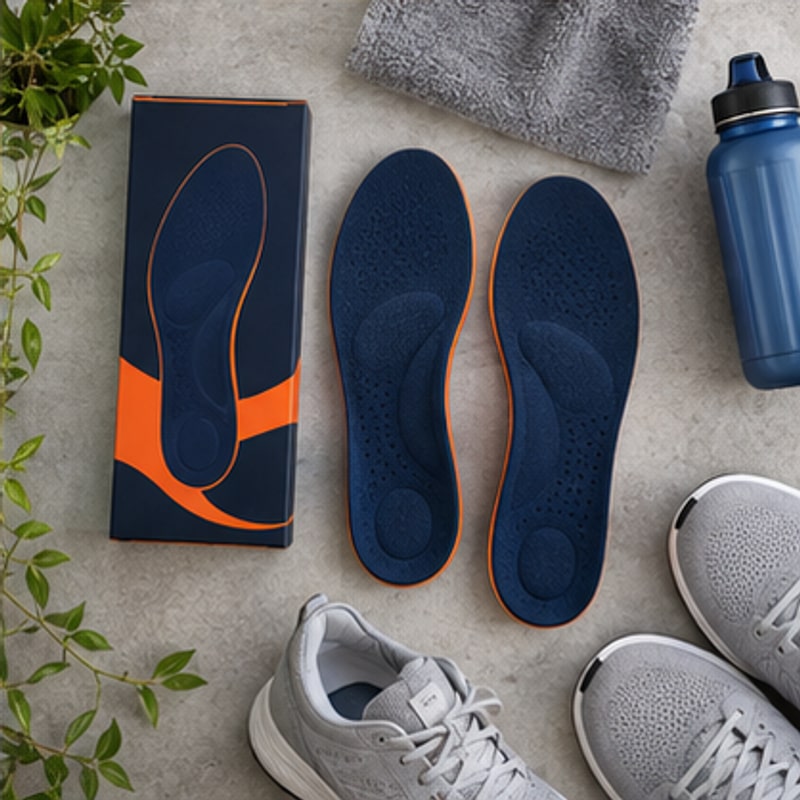
You've been disappointed before — probably several times, probably for more money. That's exactly why aura offers a 90-day trial: wear them every morning for three months, and if your mornings haven't changed, send them back for a full refund.
Stock is limited: each batch is made in small runs, and the last one sold out in nine days.
This is an advertisement and not a news article. The story above is based on real testimonials.